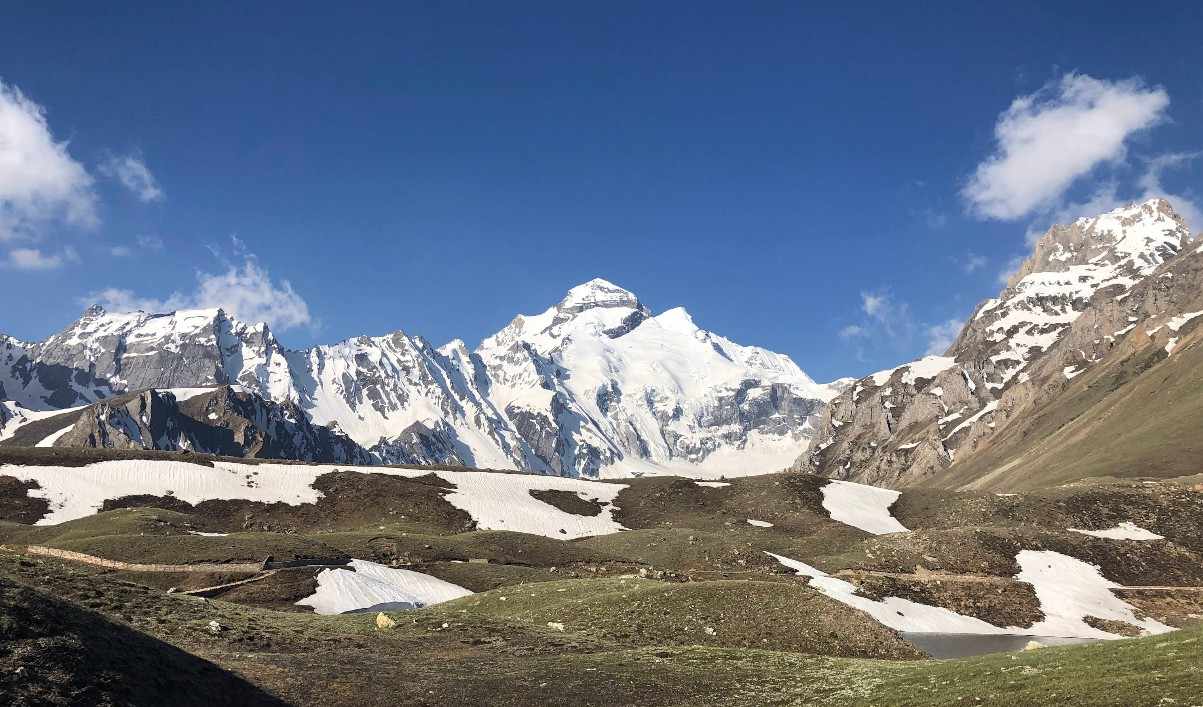
Uttarakhand, famously known as the “Land of the Gods”, is one of India’s most spiritual and scenic states. Nestled in the Himalayas, it is home to towering peaks, pristine rivers, lush valleys, and ancient temples. For centuries, pilgrims and spiritual seekers have journeyed to Uttarakhand to seek peace, blessings, and a deeper connection with the divine. This guide explores the most sacred destinations, their spiritual significance, and practical tips for travelers.
Why Uttarakhand is a Spiritual Destination
Uttarakhand is widely regarded as a spiritual haven due to its unique combination of natural beauty and religious importance. The state is dotted with rivers, mountains, and forests that enhance the sense of peace and devotion. It is home to the famous Chota Char Dham pilgrimage circuit—Yamunotri, Gangotri, Kedarnath, and Badrinath—as well as lesser-known but equally sacred sites like Panch Kedar, Adi Kailash, and Hemkund Sahib. The region is closely linked to Hindu mythology and is considered the abode of deities like Lord Shiva and Lord Vishnu, making it a top choice for pilgrims seeking spiritual growth and meditation.
Chota Char Dham Pilgrimage
The Chota Char Dham is one of the most important pilgrimage circuits in India, attracting millions of devotees each year.
Yamunotri is the source of the Yamuna River and is located at an altitude of 3,293 meters. The Yamunotri Temple is dedicated to Goddess Yamuna, and the nearby hot springs are believed to have healing properties. The trek to the temple, about 13 km from Janki Chatti, is scenic but requires stamina and warm clothing. The best time to visit Yamunotri is from May to June or September to October.
Gangotri is the origin of the sacred Ganga River and hosts the Gangotri Temple, dedicated to Goddess Ganga. The source of the Ganges, the Gaumukh Glacier, is a popular trekking destination for pilgrims. The trek to Gaumukh covers 18 km, and the best visiting period is April to June. Gangotri’s serene surroundings offer a spiritual atmosphere perfect for meditation.
Kedarnath Temple, one of the twelve Jyotirlingas of Lord Shiva, is located at an altitude of 3,583 meters and surrounded by snow-capped peaks. The trek from Gaurikund to Kedarnath is 16 km long. Visitors should be prepared with trekking shoes and warm clothing. The temple is accessible primarily during the summer months, May to June, and again in September.
Badrinath Temple, dedicated to Lord Vishnu, stands at an altitude of 3,133 meters and forms part of the Char Dham Yatra. Badrinath is accessible by road, making it easier for pilgrims of all ages. Nearby attractions include Mana Village and Tapt Kund, which are considered spiritually significant. The best time to visit is from April to November.
Panch Kedar – The Hidden Shiva Temples
The Panch Kedar temples are lesser-known yet highly sacred sites dedicated to Lord Shiva, located in the Garhwal Himalayas. These five temples—Kedarnath, Tungnath, Rudranath, Madhyamaheshwar, and Kalpeshwar are deeply connected to the legends of the Pandavas from the Mahabharata. Devotees undertake the Panch Kedar Yatra, a spiritual journey to visit all five temples, believing it brings divine blessings and spiritual fulfillment. Among them, Tungnath is the highest Shiva temple in the world at 3,680 meters, offering breathtaking panoramic views of the Himalayas. Madhyamaheshwar involves trekking through peaceful forest trails, while Kalpeshwar features a shorter trek, making it ideal for meditation and reflection.
Adi Kailash – The Lesser-Known Sacred Peak
Adi Kailash, also known as Chhota Kailash, is a sacred peak in the Kailash range of the Himalayas. It is considered a smaller version of Mount Kailash in Tibet and holds immense religious significance for both Hindus and Buddhists. Pilgrims trek to Adi Kailash to seek spiritual blessings while enjoying the serene and remote Himalayan landscape. The trek usually takes 7–10 days from Pithoragarh and is best undertaken between June and September. Due to its high-altitude terrain, traveling with a guide is recommended.
Hemkund Sahib – A Sikh Pilgrimage in the Himalayas
Hemkund Sahib is a Sikh pilgrimage site located at 4,632 meters, surrounded by seven snow-capped Himalayan peaks. The Gurudwara is dedicated to Guru Gobind Singh and attracts thousands of devotees each year. The trek to Hemkund Sahib starts from Govindghat and covers 14 km, passing through stunning valleys and alpine scenery. The best time to visit is from May to October. Pilgrims should carry warm clothing and be prepared for high-altitude conditions.
Other Important Pilgrimage Sites
Uttarakhand also hosts several other spiritual destinations. Haridwar, located on the banks of the Ganges, is famous for its Ganga Aarti and the Kumbh Mela, attracting millions of visitors. Rishikesh, known as the “Yoga Capital of the World,” offers meditation centers, ashrams, and yoga retreats. Lesser-known sites like Gangnani and Koteshwar are rich in spiritual and natural beauty, offering quiet retreats for pilgrims.
Sacred Mountains of Uttarakhand
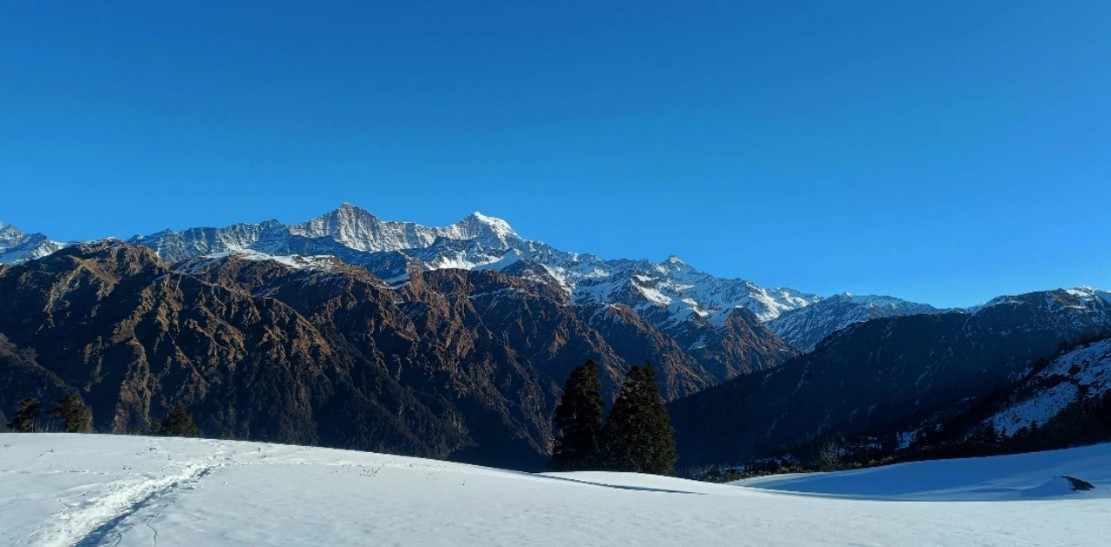
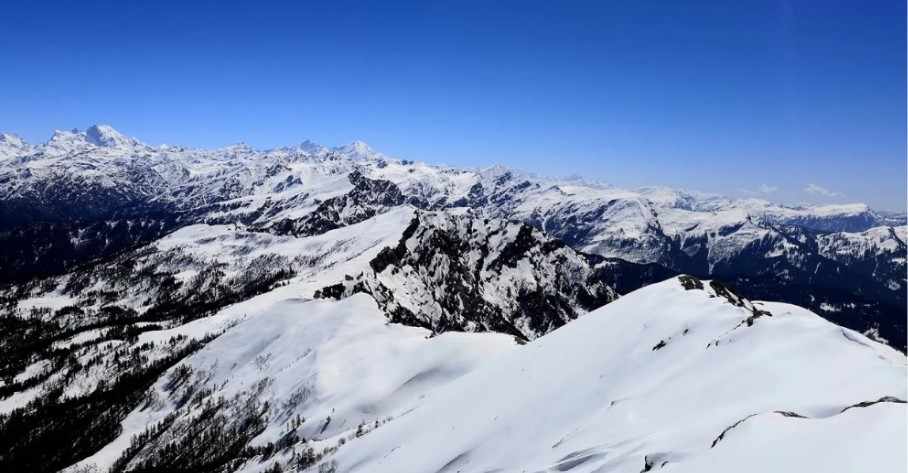
The mountains of Uttarakhand are not only natural wonders but also sacred sites. Nanda Devi, the second-highest peak in India, is considered a goddess and is part of a UNESCO World Heritage site. Panchachuli, associated with the Pandavas, and Trishul, named after Lord Shiva’s trident, are popular trekking destinations. Adi Kailash, as previously mentioned, is revered as a spiritual alternative to Mount Kailash. These mountains provide both adventure and spiritual solace for visitors.
Tips for Pilgrims and Travelers
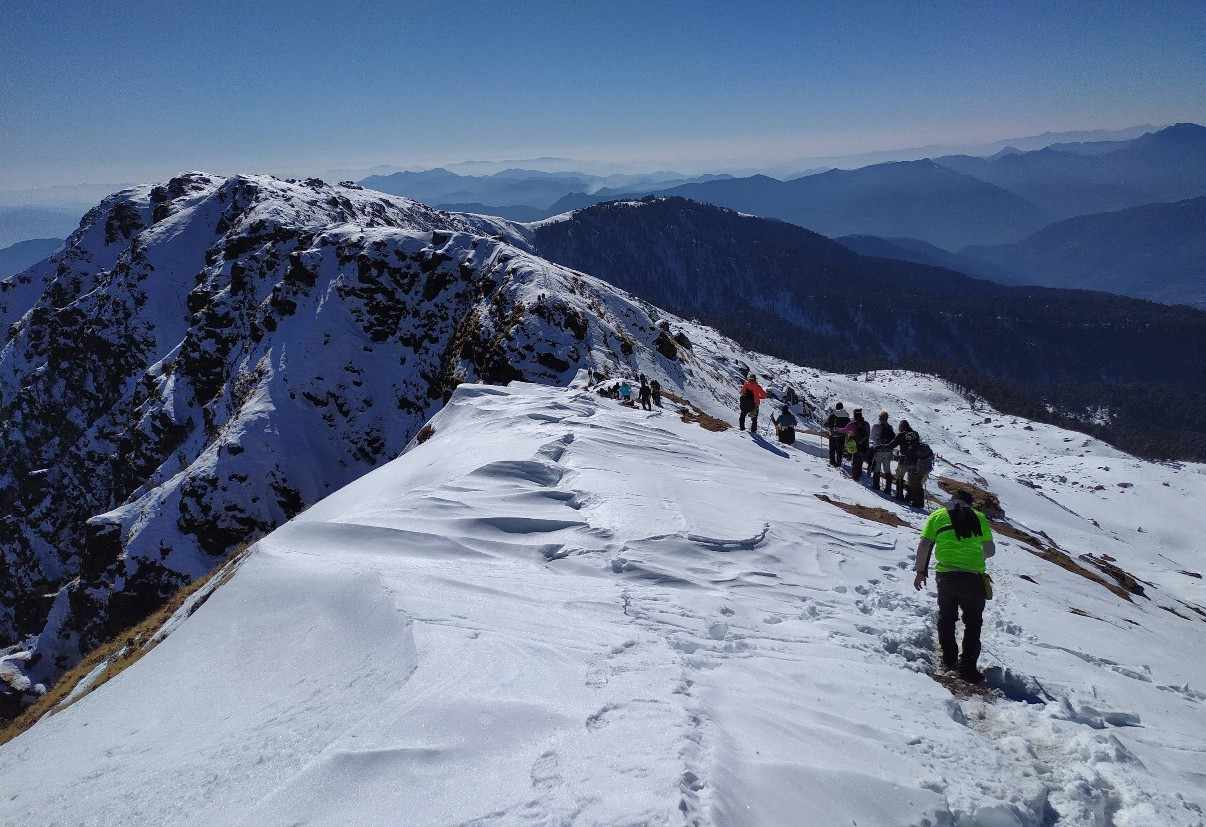
Traveling to Uttarakhand requires preparation due to its high altitudes and unpredictable weather. The best time to visit is from April to June or September to October. Pilgrims should carry medicines for altitude sickness, stay hydrated, and take adequate rest. Essential items include warm clothing, trekking shoes, raincoats, sunscreen, and reusable water bottles. Roads are generally well-connected but may be narrow and winding in hilly areas. Accommodation options range from ashrams and guesthouses to hotels, so booking in advance is recommended.
Conclusion
Uttarakhand is a land where spirituality and natural beauty meet. Its timeless temples, sacred rivers, and majestic mountains make it a top destination for pilgrims and travelers alike. Visiting the Chota Char Dham, Panch Kedar, Adi Kailash, and Hemkund Sahib offers an unparalleled spiritual experience amidst breathtaking Himalayan landscapes. By planning your journey carefully and respecting local customs, Uttarakhand provides a lasting connection with India’s spiritual heartland.

Write a comment ...